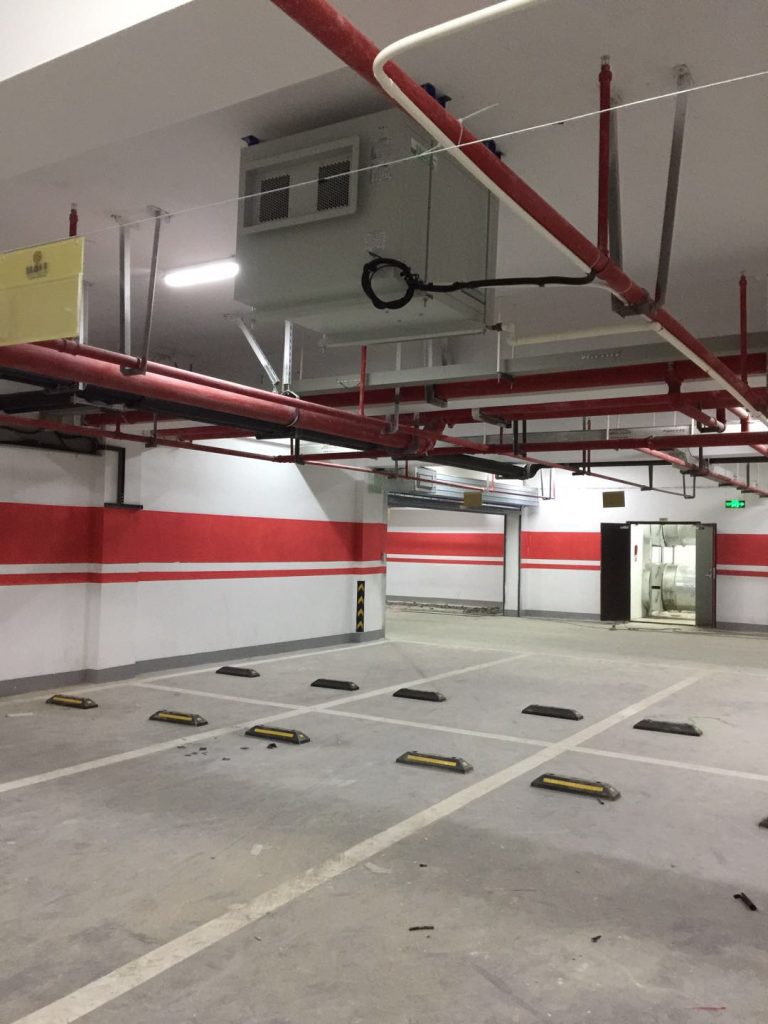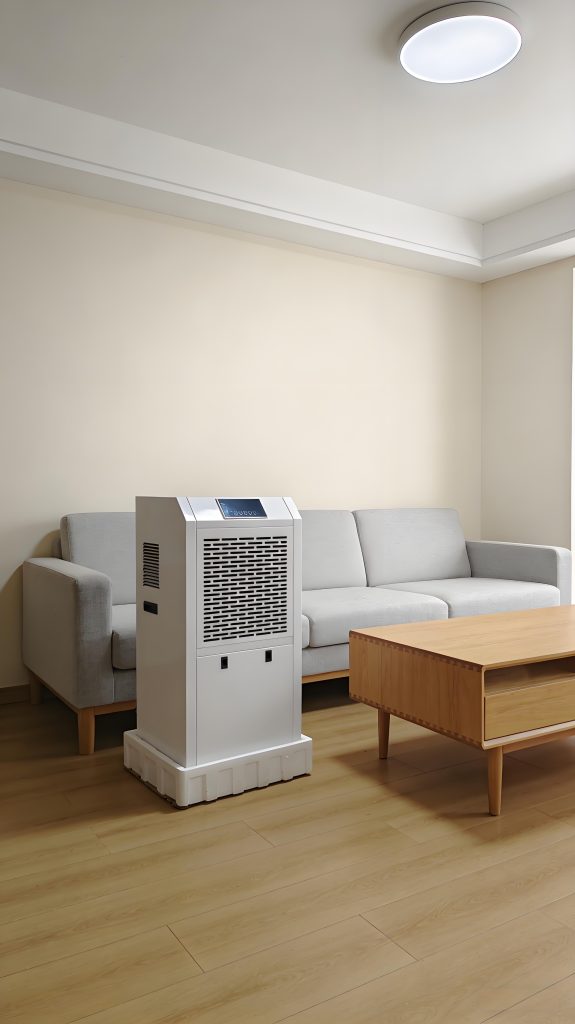
A commercial dehumidifier is an essential piece of equipment for many businesses, especially those in environments where excess moisture can cause damage to products, equipment, or the building itself. As a supplier of commercial dehumidifiers, I understand the importance of proper installation to ensure optimal performance and longevity of the unit. In this blog post, I’ll guide you through the process of installing a commercial dehumidifier, from choosing the right location to finalizing the setup.
Step 1: Choose the Right Location
The first step in installing a commercial dehumidifier is to select the appropriate location. The ideal spot should be well-ventilated, away from heat sources, and close to a power outlet. Here are some key considerations:
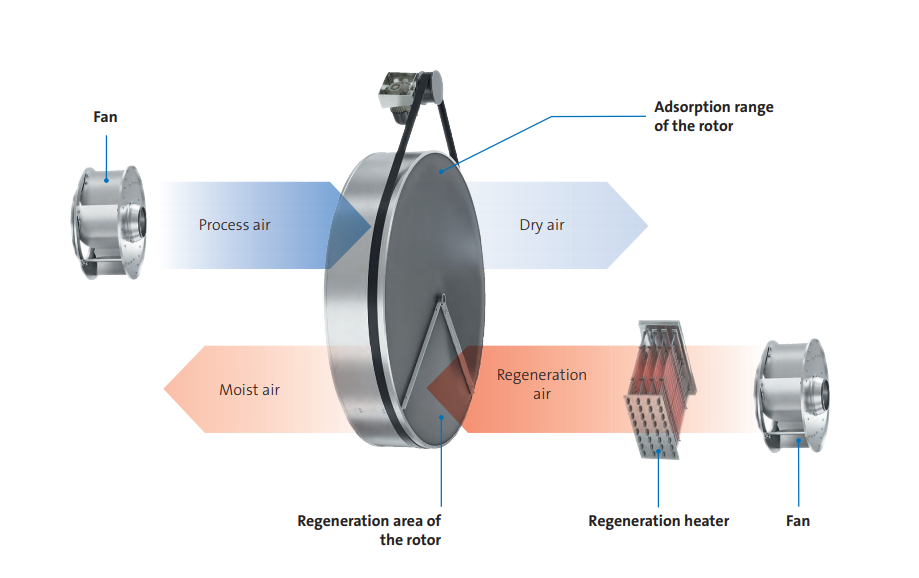
- Ventilation: Ensure that the area has good air circulation. A dehumidifier works by pulling in moist air, removing the moisture, and then expelling the dry air back into the room. Poor ventilation can limit the unit’s effectiveness.
- Heat Sources: Keep the dehumidifier away from radiators, heaters, or direct sunlight. Excessive heat can affect the unit’s performance and increase energy consumption.
- Accessibility: Choose a location where the dehumidifier can be easily accessed for maintenance, such as filter cleaning or water tank emptying.
- Proximity to Power: Place the dehumidifier near a grounded electrical outlet. Make sure the cord is long enough to reach the outlet without being stretched or kinked.
Step 2: Unpack and Inspect the Dehumidifier
Once you’ve chosen the location, unpack the dehumidifier and carefully inspect it for any damage during transit. Check for loose parts, dents, or cracks in the casing. If you notice any issues, contact the supplier immediately for assistance.
Step 3: Install the Drainage System
Commercial dehumidifiers typically come with a drainage option to remove the collected water automatically. There are two common methods of drainage:
- Gravity Drainage: This is the simplest method and is suitable for dehumidifiers located near a floor drain or a suitable drainage point. Connect the drainage hose provided with the dehumidifier to the drain outlet on the unit and position the other end over the drain. Make sure the hose is securely attached and free from kinks.
- Pump Drainage: If there is no nearby floor drain, a pump drainage system can be used. This involves installing a small pump in the dehumidifier to pump the water out through a hose to a more distant drainage point, such as a sink or a utility drain. Follow the manufacturer’s instructions for installing the pump and connecting the drainage hose.
Step 4: Set Up the Humidistat
The humidistat is a crucial component of the dehumidifier that allows you to set the desired humidity level. Most commercial dehumidifiers come with an adjustable humidistat, such as the Adjustable Humidistat Dryer. Here’s how to set it up:
- Understand the Humidity Requirements: Different environments have different optimal humidity levels. For example, warehouses typically require a humidity level between 30% and 50%, while museums may need a more precise level of around 40%. Determine the appropriate humidity level for your specific application.
- Set the Humidistat: Locate the humidistat control on the dehumidifier. Use the up and down arrows or a dial to set the desired humidity level. Once set, the dehumidifier will automatically turn on and off to maintain the set humidity.
Step 5: Power On the Dehumidifier
After completing the drainage and humidistat setup, it’s time to power on the dehumidifier. Plug the unit into the electrical outlet and switch it on. The dehumidifier will start pulling in moist air and removing the moisture.
Step 6: Monitor and Adjust
Once the dehumidifier is running, monitor the humidity level in the room using a separate hygrometer. Check if the dehumidifier is maintaining the desired humidity level. If the humidity is too high or too low, adjust the humidistat settings accordingly.
Step 7: Maintenance
Regular maintenance is essential to keep the dehumidifier running efficiently. Here are some maintenance tasks to perform:
- Clean the Filter: Most dehumidifiers have a washable filter that should be cleaned every few weeks. Refer to the manufacturer’s instructions for the proper cleaning method.
- Empty the Water Tank: If the dehumidifier has a water tank, empty it regularly to prevent overflow. Some dehumidifiers with pump drainage may not require this step.
- Check the Drainage System: Periodically check the drainage hose for any blockages or leaks. Make sure the water is draining properly.
Types of Commercial Dehumidifiers
There are different types of commercial dehumidifiers available to suit various applications. Here are some common types:
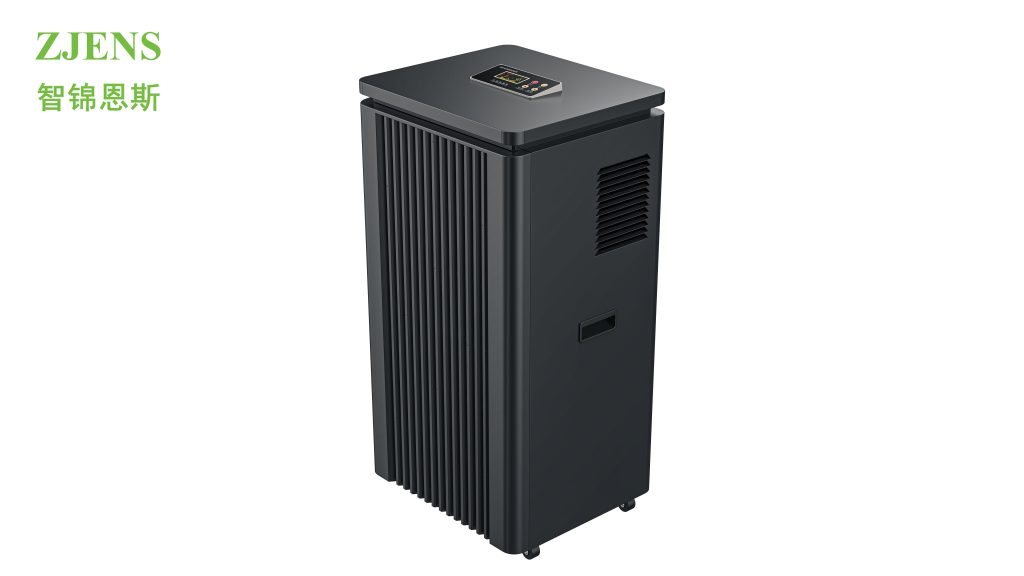
- Portable Commercial Dehumidifier Air Dryer: These are versatile units that can be easily moved from one location to another. They are suitable for small to medium-sized areas and are ideal for temporary or seasonal use. Check out our Portable Commercial Dehumidifier Air Dryer for more information.
- CE Approved Commercial Dehumidifier: CE approval indicates that the dehumidifier meets the safety, health, and environmental protection standards of the European Union. These units are reliable and suitable for a wide range of commercial applications. Explore our CE Approved Commercial Dehumidifier options.
Conclusion
Installing a commercial dehumidifier is a straightforward process that can significantly improve the indoor environment of your business. By following the steps outlined in this blog post, you can ensure that your dehumidifier is installed correctly and operates efficiently. If you have any questions or n