How a Dehumidifier Improve Air Quality?
As a seasoned supplier in the dehumidifier industry, I’ve witnessed firsthand the transformative impact these devices can have on indoor air quality. In this blog, I’ll delve into the science behind dehumidifiers and explore how they can enhance the air we breathe.
Understanding Humidity and Its Effects on Air Quality
Humidity refers to the amount of water vapor present in the air. While a certain level of humidity is necessary for comfort and health, excessive humidity can lead to a host of problems. High humidity levels create an ideal environment for mold, mildew, and dust mites to thrive. These allergens can trigger respiratory issues, allergies, and asthma attacks, especially in sensitive individuals.
Moreover, high humidity can make the air feel stuffy and uncomfortable, leading to decreased productivity and overall well – being. It can also cause damage to furniture, electronics, and building materials, as moisture can warp wood, corrode metal, and promote the growth of mold on surfaces.
On the other hand, low humidity can also be problematic. It can cause dry skin, irritated eyes, and a sore throat. It may also increase the risk of static electricity, which can damage electronic devices.
How Dehumidifiers Work
Dehumidifiers are designed to remove excess moisture from the air, thereby reducing humidity levels. There are several types of dehumidifiers available on the market, each with its own working principle.
Refrigerant Dehumidifiers: These are the most common type of dehumidifiers. They work by drawing in warm, moist air through a fan. The air then passes over a cold coil, causing the water vapor to condense into liquid water. The condensed water collects in a reservoir, and the now – drier air is reheated and blown back into the room.
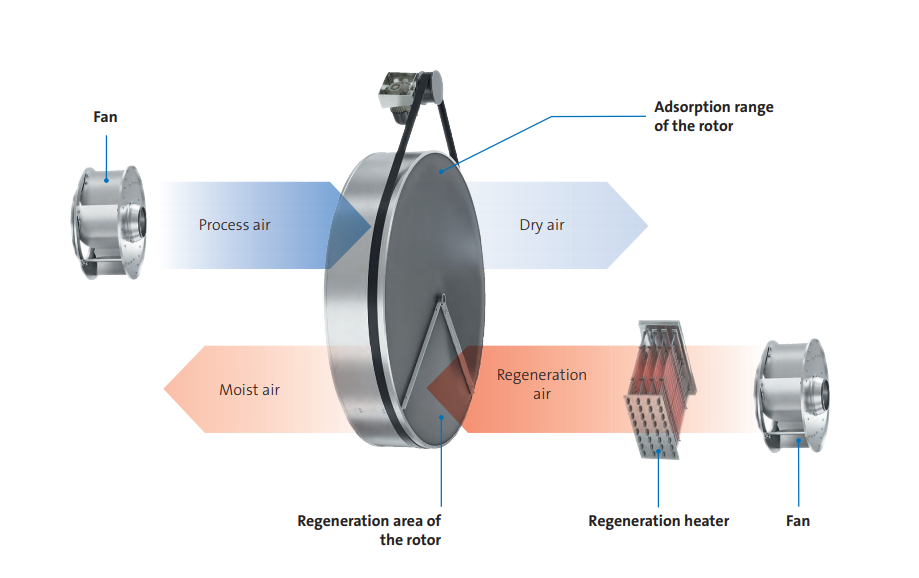
Desiccant Dehumidifiers: These dehumidifiers use a desiccant material, such as silica gel, to absorb moisture from the air. The desiccant material attracts and holds the water vapor, and the dry air is then released back into the room. Desiccant dehumidifiers are more effective at lower temperatures and are often used in colder climates or in areas where energy efficiency is a concern.
Ultrasonic Dehumidifiers: Although not as common as the other two types, ultrasonic dehumidifiers work by using high – frequency sound waves to break up water droplets in the air. The water droplets then collect and are removed from the air. You can explore our Industrial Ultrasonic Humidifier for more information on this type of technology.
The Impact of Dehumidifiers on Air Quality
- Mold and Mildew Prevention: By reducing humidity levels, dehumidifiers create an environment that is less conducive to the growth of mold and mildew. Mold spores are present in the air at all times, but they need moisture to grow and multiply. When the relative humidity in a room is kept below 50%, mold growth is significantly inhibited. This not only improves the air quality by reducing the number of mold spores in the air but also helps to prevent structural damage to buildings.
- Dust Mite Reduction: Dust mites are tiny creatures that thrive in warm, humid environments. They feed on dead skin cells and can cause allergic reactions in many people. Dehumidifiers help to reduce the population of dust mites by making the environment less hospitable for them. As humidity levels drop, dust mites are less likely to survive and reproduce, leading to a decrease in the number of allergens in the air.
- Odor Control: Excess moisture in the air can lead to unpleasant odors, especially in areas such as basements, bathrooms, and kitchens. Dehumidifiers can help to eliminate these odors by removing the moisture that causes them. By reducing the humidity, dehumidifiers also prevent the growth of bacteria and fungi that can produce foul – smelling compounds.
- Improved Respiratory Health: As dehumidifiers reduce the presence of mold, mildew, and dust mites in the air, they can have a positive impact on respiratory health. People with asthma, allergies, or other respiratory conditions may experience fewer symptoms when the air quality is improved. The drier air can also make it easier to breathe, especially in humid climates.
Choosing the Right Dehumidifier
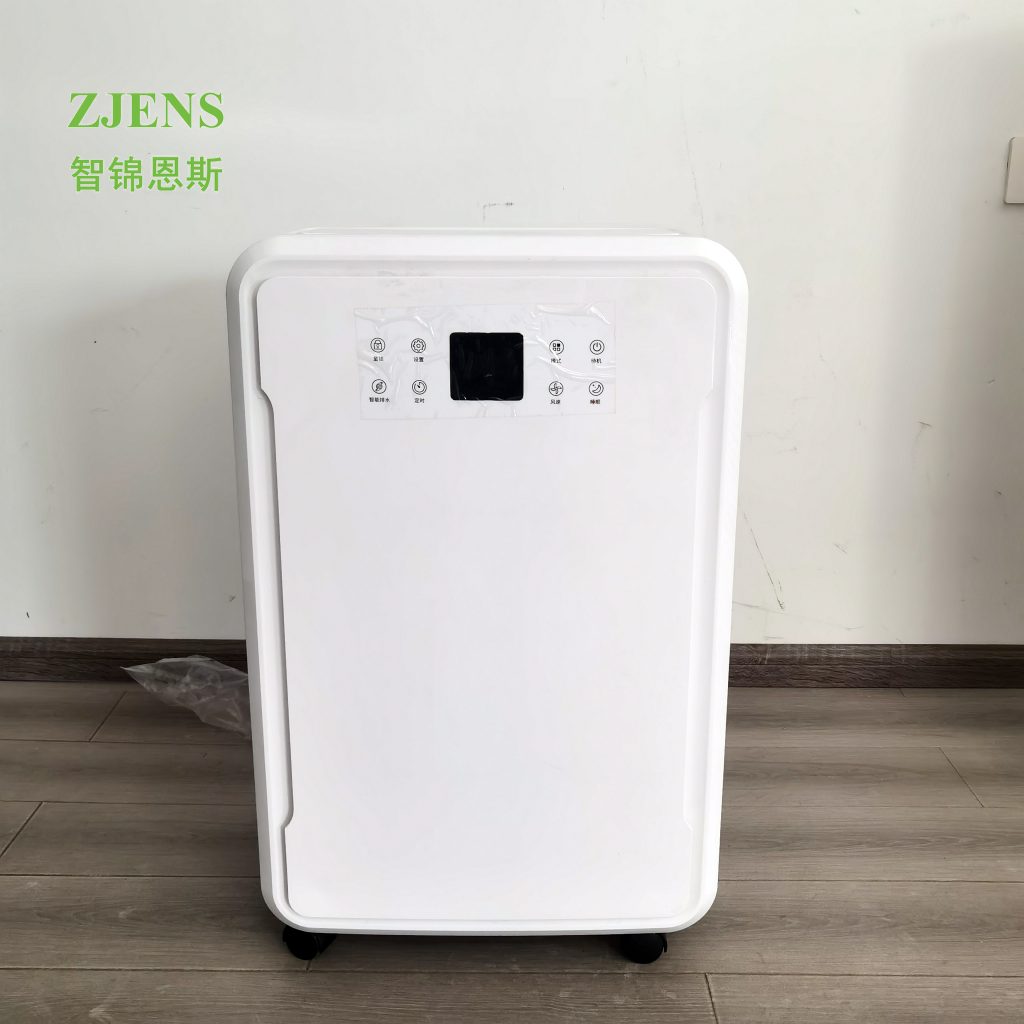
When selecting a dehumidifier, there are several factors to consider.
- Room Size: The size of the room where the dehumidifier will be used is crucial. A dehumidifier that is too small for the room will not be able to effectively reduce humidity levels, while a dehumidifier that is too large may be energy – inefficient. Most dehumidifiers are rated by the number of pints of water they can remove per day, and this rating can be used to determine the appropriate size for your room.
- Type of Dehumidifier: As mentioned earlier, there are different types of dehumidifiers available. Consider the climate in your area, the temperature of the room, and your specific needs when choosing a type. For example, if you live in a cold climate, a desiccant dehumidifier may be more suitable. Our Electric Dehumidifier and Easy Electrostatic Dehumidifier offer different features and are suitable for various applications.
- Energy Efficiency: Look for a dehumidifier with an Energy Star rating. Energy – efficient dehumidifiers can save you money on your energy bills in the long run. They are designed to use less energy while still effectively removing moisture from the air.
Maintenance of Dehumidifiers
Proper maintenance of dehumidifiers is essential to ensure their optimal performance and longevity.
- Regular Cleaning: The water reservoir should be emptied regularly to prevent the growth of bacteria and mold. The air filter should also be cleaned or replaced according to the manufacturer’s instructions. A dirty air filter can reduce the efficiency of the dehumidifier and may even cause it to malfunction.
- Inspection: Periodically inspect the dehumidifier for any signs of damage or wear. Check the power cord, the fan, and the coils for any visible problems. If you notice any issues, it’s important to have the dehumidifier repaired or replaced as soon as possible.
Conclusion
In conclusion, dehumidifiers can significantly improve air quality by reducing humidity levels and preventing the growth of mold, mildew, and dust mites. They also help to control odors and improve respiratory health. As a dehumidifier supplier, I am committed to providing high – quality products that meet the diverse needs of our customers. Whether you are looking for a dehumidifier for your home, office, or industrial facility, we have the right solution for you.
If you are interested in purchasing a dehumidifier or have any questions about our products, please feel free to contact us for a detailed discussion. Our team of experts is ready to assist you in finding the best dehumidifier for your specific requirements.