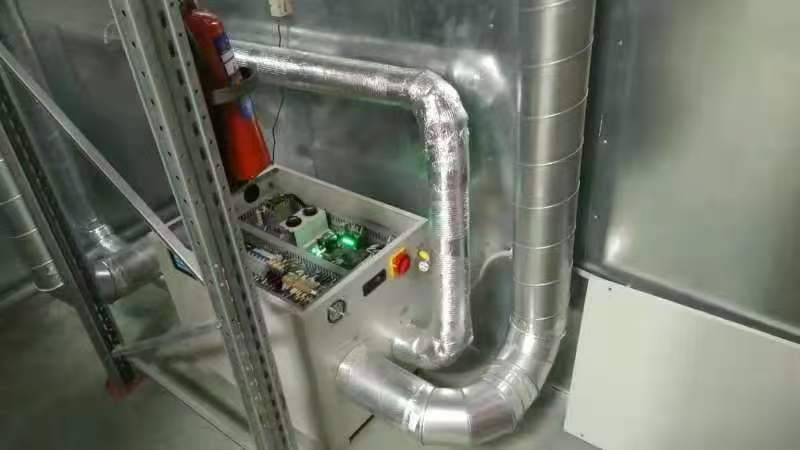
Indoor air quality is a crucial aspect of our daily lives, significantly impacting our health, comfort, and the preservation of various items. High humidity levels in indoor environments can lead to a host of problems, including mold growth, musty odors, and damage to sensitive materials. As a leading supplier of desiccant dehumidifiers, I have witnessed firsthand how these devices can transform indoor air quality. In this blog, I will delve into the science behind desiccant dehumidifiers and explore their profound effects on indoor air quality.
Understanding Desiccant Dehumidifiers
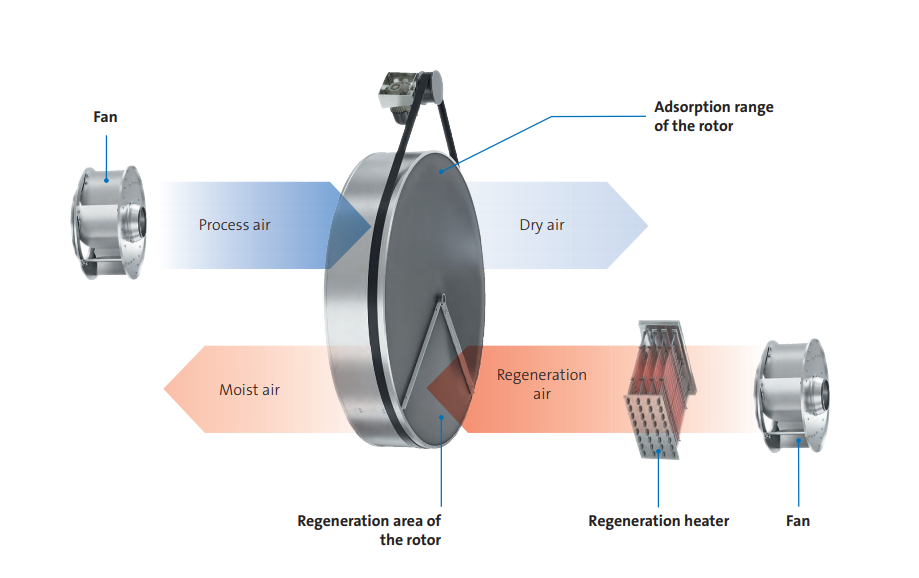
Desiccant dehumidifiers operate on a different principle compared to traditional refrigerant dehumidifiers. Instead of using a cooling coil to condense moisture from the air, desiccant dehumidifiers employ a desiccant material, such as silica gel or molecular sieves, to adsorb water vapor. The desiccant wheel, a key component of these dehumidifiers, rotates slowly through two distinct zones: the processing zone and the regeneration zone.
In the processing zone, the incoming humid air passes through the desiccant wheel, where the desiccant material adsorbs the moisture. This results in dry air being released into the indoor environment. As the desiccant wheel rotates into the regeneration zone, hot air is blown through it to remove the adsorbed moisture, regenerating the desiccant material for further use.
Impact on Indoor Air Quality
Reducing Humidity Levels
One of the primary ways desiccant dehumidifiers affect indoor air quality is by reducing humidity levels. High humidity can create a breeding ground for mold, mildew, and dust mites, which are common allergens and can trigger respiratory problems. By maintaining optimal humidity levels between 30% and 50%, desiccant dehumidifiers help prevent the growth of these harmful microorganisms, thus improving the overall air quality.
For example, in a pharmacy, maintaining low humidity levels is crucial to preserve the efficacy of medications. Our Pharmacy Low Temperature Dehumidifier is specifically designed to operate in low-temperature environments and can effectively control humidity levels, ensuring the quality and safety of pharmaceutical products.
Eliminating Musty Odors
High humidity often leads to musty odors in indoor spaces. These odors are not only unpleasant but can also indicate the presence of mold and mildew. Desiccant dehumidifiers remove excess moisture from the air, eliminating the conditions that cause musty odors. By keeping the air dry, these dehumidifiers help create a fresh and clean indoor environment.
In film storage facilities, maintaining low humidity is essential to prevent film degradation and the development of musty odors. Our Film Storage Dehumidifier can precisely control humidity levels, protecting valuable film collections from damage and ensuring a pleasant storage environment.
Improving Respiratory Health
By reducing humidity and preventing the growth of mold and dust mites, desiccant dehumidifiers can significantly improve respiratory health. People with asthma, allergies, or other respiratory conditions are particularly sensitive to indoor air quality. Dry air can help alleviate symptoms such as coughing, wheezing, and shortness of breath, making it easier for individuals to breathe.
Protecting Indoor Materials
High humidity can cause damage to various indoor materials, including wood, paper, and electronics. Wood can warp and rot, paper can become brittle and discolored, and electronics can malfunction due to moisture damage. Desiccant dehumidifiers help protect these materials by maintaining a stable and dry indoor environment.
In food drying applications, our Food Drying Desiccant Dehumidifier can efficiently remove moisture from food products, preventing spoilage and extending their shelf life. This not only ensures the quality and safety of food but also reduces food waste.
Energy Efficiency and Environmental Impact
Desiccant dehumidifiers are known for their energy efficiency, especially in low-temperature and high-humidity conditions. Unlike refrigerant dehumidifiers, which consume a significant amount of energy to cool the air, desiccant dehumidifiers use less energy to adsorb moisture. This makes them a more sustainable option for indoor dehumidification.
Additionally, by reducing the growth of mold and mildew, desiccant dehumidifiers can help reduce the need for chemical cleaners and pesticides, which can have a negative impact on the environment.
Considerations for Choosing a Desiccant Dehumidifier
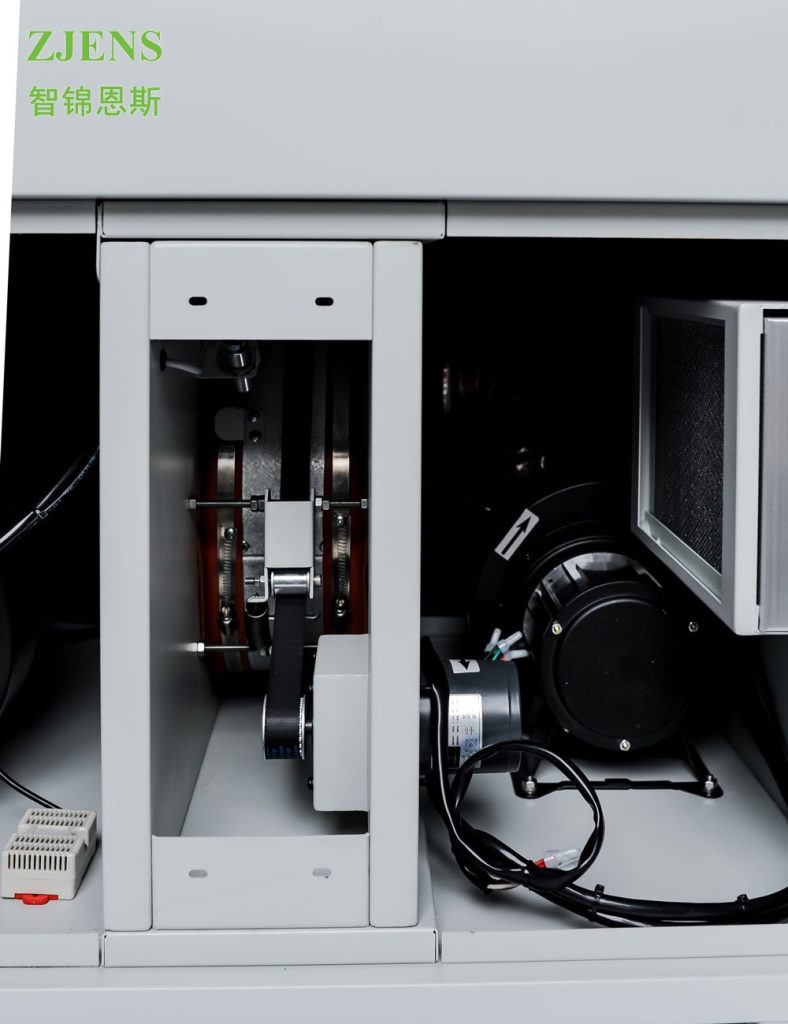
When choosing a desiccant dehumidifier, several factors should be considered, including the size of the space, the desired humidity level, and the specific application. It is important to select a dehumidifier with the appropriate capacity to ensure effective dehumidification.
Other factors to consider include the energy efficiency of the dehumidifier, the noise level, and the ease of maintenance. Our team of experts can provide personalized advice and recommendations based on your specific needs and requirements.
Conclusion
Desiccant dehumidifiers play a vital role in improving indoor air quality by reducing humidity levels, eliminating musty odors, improving respiratory health, and protecting indoor materials. As a supplier of desiccant dehumidifiers, we are committed to providing high-quality products that meet the diverse needs of our customers.
If you are interested in learning more about our desiccant dehumidifiers or would like to discuss your specific requirements, please feel free to contact us. We look forward to working with you to create a healthier and more comfortable indoor environment.